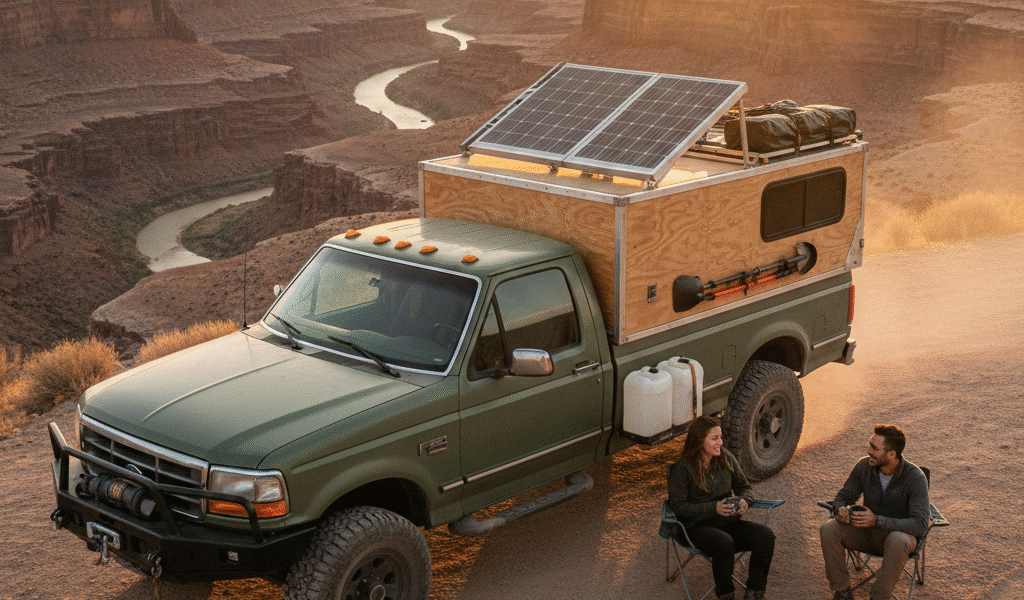
How to Build a Budget-Friendly, Off-Grid Rig for Long-Term Travel (Part 3 of 4)
January 19, 2026In the opening chapters of our comprehensive guide to long-term overland travel, we focused on the heavy lifting required to transform a standard vehicle into a self-sustaining home on wheels. We began by selecting a reliable base vehicle, emphasizing that the best foundation isn’t always the flashiest, but rather the one with affordable parts and a proven track record for longevity. Once the platform was set, we explored the crucial balance of suspension and tires, ensuring your rig can handle rugged backcountry trails without sacrificing the ride quality needed for thousands of miles of pavement. These mechanical essentials provided the “bones” of our build, allowing us to venture further into the wild with total confidence.
Moving beyond the mechanicals, we transitioned into the core systems that make off-grid living possible and sustainable. We broke down the complexities of solar power and battery banks, showing you how to calculate your energy needs to keep gadgets charged and fridges running without breaking the bank. Simultaneously, we tackled the logistics of water storage and filtration, a non-negotiable for anyone planning to stay off the grid for weeks at a time. Finally, we challenged the status quo of expensive rooftop tents by highlighting affordable shelter solutions that offer maximum comfort for a fraction of the cost. With the foundation, power, water, and shelter now firmly in place, your rig is no longer just a vehicle; it’s a fully functional base camp ready for the next level of customization.
1. Choosing Your Base Vehicle: The Foundation of Your Overland Rig
2. Suspension & Tires: Ride Comfort + Capability
3. Power for Off-Grid Living: Batteries & Solar
4. Water Storage & Filtration: Staying Hydrated Off the Grid
5. Shelter: Comfort without Costly Rooftops
6. Cooking & Food Storage: Eat Well, Spend Less
Eating well while traveling off the grid doesn’t require expensive or complicated cooking gear. With a bit of planning and the right basic equipment, you can enjoy satisfying, nutritious meals without overspending or overpacking. A simple, reliable cooking setup not only saves money but also makes camp life more enjoyable and sustainable during long trips.
Essential Cooking Tools
At the heart of any off-grid kitchen is a portable stove. A single-burner stove is lightweight and efficient for solo travelers, while a portable two-burner stove offers more flexibility for cooking full meals or feeding multiple people. Most overlanders prefer stoves that run on propane or butane canisters, as these fuels are affordable, widely available worldwide, and easy to replace. Pair your stove with durable cookware such as a Dutch oven or cast iron pan, which can handle high heat, cook evenly, and last for years with minimal maintenance. These versatile pieces allow you to fry, bake, simmer, and even cook over an open fire when conditions permit.
Food Storage Solutions
Proper food storage is just as important as cooking equipment. A 12V portable fridge/freezer is often considered a major upgrade for off-grid travel, as it keeps food fresh, reduces waste, and simplifies meal planning by eliminating the need for constant ice purchases. While fridges are an investment, they can quickly pay for themselves on longer trips. For those on a tighter budget, a well-insulated cooler with ice remains a classic and effective alternative. When managed properly, coolers can keep food safe for several days and are widely available at a low cost.
In addition to cold storage, dry food storage plays a key role in budget-friendly meal planning. Staples such as rice, pasta, beans, lentils, nuts, and dried vegetables are inexpensive, lightweight, and have long shelf lives. These items form the backbone of many easy, filling meals and require minimal refrigeration, making them ideal for off-grid travel.
Meal Planning Essentials
Smart meal planning can significantly reduce costs, waste, and stress on the road. Pre-planning your meals helps you buy only what you need and ensures you always have the right ingredients on hand. Choosing recipes that share common ingredients minimizes storage space and simplifies cooking. A useful tip is to pre-cook and freeze meals before departure, which reduces the load on your fridge or cooler and provides quick, ready-to-eat options during the first few days of travel. With thoughtful planning, eating off the grid can be both affordable and enjoyable without sacrificing flavor or nutrition.
7. Recovery Gear: Prepare for the Unexpected
No matter how experienced you are or how mild a trail appears, unexpected situations can arise at any time when traveling off the grid. Soft sand, deep mud, loose gravel, or uneven terrain can quickly leave a vehicle stuck. Proper recovery gear is not about tackling extreme obstacles; it’s about being prepared, staying safe, and avoiding costly damage or long delays. Carrying the right tools allows you to self-recover and continue your journey with confidence.
Essential Recovery Tools
A solid recovery setup starts with recovery straps and shackles, which are essential for safely pulling a stuck vehicle free when assistance is available. These tools should be rated appropriately for your vehicle’s weight to ensure safe and effective recovery. A Hi-Lift jack or heavy-duty bottle jack is another critical piece of equipment, useful for lifting a vehicle to place traction boards, change a tire, or clear obstacles. While Hi-Lift jacks offer versatility, bottle jacks are more compact and often easier to use on uneven terrain.
A sturdy shovel is one of the most underrated recovery tools. It allows you to dig out tires, clear sand or mud, and create a safer path for your vehicle. In soft terrain, traction boards such as Maxtrax can be invaluable. These boards provide immediate grip in sand, snow, or mud and often eliminate the need for towing. They are lightweight, reusable, and highly effective in a wide range of conditions.
Flat or underinflated tires are another common challenge off the grid, making a tire repair kit and portable air compressor essential items. A repair kit allows you to fix punctures on the trail, while an air compressor lets you adjust tire pressure for different terrains and reinflate tires before returning to paved roads. Together, these tools can save time, money, and unnecessary stress.
Organization and Accessibility
Just as important as having recovery gear is keeping it organized and easily accessible. In a recovery situation, time and efficiency matter. Store your equipment in a dedicated bag or drawer system where it can be reached quickly without unloading your entire vehicle. Proper organization ensures you are ready to respond calmly and effectively when the unexpected happens, helping you stay safe and self-reliant wherever the trail takes you.
8. Navigation & Communication: Don’t Get Lost Off the Grid
When traveling off the grid, reliable navigation and communication are just as important as fuel and water. Cell service can disappear quickly in remote areas, and relying solely on online maps or smartphones can be risky. The safest approach combines modern digital tools with traditional navigation principles, ensuring you always know where you are and can communicate when it matters most.
GPS and Offline Mapping
Digital navigation has transformed off-grid travel, but it must be used correctly. Offline mapping apps such as Gaia GPS and Avenza Maps allow you to download detailed maps in advance, ensuring access even when there is no mobile signal. These apps provide topographic data, trail information, and route tracking, making them ideal for overlanding and backcountry exploration. For added reliability, some travelers also carry a dedicated GPS device, such as a Garmin unit. While optional, standalone GPS devices are rugged, highly accurate, and less dependent on phone battery life, making them a dependable backup in harsh conditions.
Communication in Remote Areas
Communication becomes critical once you leave paved roads behind. For group or convoy travel, a CB radio is a simple and effective option. It allows short-range communication between vehicles without the need for cellular service and is widely used in off-road communities. For more advanced users, a HAM radio offers longer-range communication and greater flexibility, though it requires proper licensing and basic technical knowledge.
In truly remote regions where mobile phones are useless, a satellite communicator can be a lifesaving piece of equipment. Devices such as the Garmin inReach or Zoleo allow you to send messages, share your location, and trigger an emergency SOS signal from almost anywhere in the world. These devices provide peace of mind not only for travelers, but also for family and friends back home.
Tracking and Route Sharing
Good navigation isn’t just about finding your way; it’s also about letting others know where you are. Before departure, always share your planned route and estimated timeline with a trusted contact. Check in periodically, especially when traveling solo or in remote regions. This simple habit adds an extra layer of safety and ensures help can reach you quickly if something goes wrong. By combining smart navigation tools with reliable communication systems, you can explore confidently without losing your way off the grid.
9. Storage & Organization: Keep Your Rig Tidy
When building an off-grid or overlanding setup, storage and organization are often overlooked, yet they play a crucial role in comfort, efficiency, and peace of mind. Disorganization not only wastes valuable space but also slows you down when you need access to essential gear. A well-organized vehicle allows you to set up camp faster, respond to issues more efficiently, and enjoy your journey without unnecessary frustration.
Smart Storage Systems
A drawer system is one of the most effective ways to keep gear organized inside your vehicle. Drawers provide dedicated space for tools, kitchen supplies, and recovery equipment, preventing items from shifting during travel and making everything easy to find. For larger or less frequently used items, a roof rack with secure storage boxes is an excellent solution. Roof-mounted storage is ideal for bulky gear such as chairs, spare parts, or seasonal equipment, freeing up valuable interior space. Additionally, under-seat storage tubs are a simple and affordable way to utilize otherwise wasted space, perfect for small items, spare cables, or emergency supplies.
Organization Tips for Faster Access
Beyond storage hardware, how you organize your gear matters just as much. Group similar items together, such as kitchen equipment, recovery tools, and vehicle maintenance gear, to reduce search time and avoid unnecessary unloading. Clearly labeling containers and drawers ensures quick identification, especially in low-light or high-pressure situations. This systemized approach keeps your rig tidy, maximizes usable space, and helps maintain calm and control, even on long and demanding trips. A clean, organized setup ultimately means more time enjoying the journey and less time managing clutter.
How to Build a Budget-Friendly, Off-Grid Rig for Long-Term Travel (Part 4 of 4)