
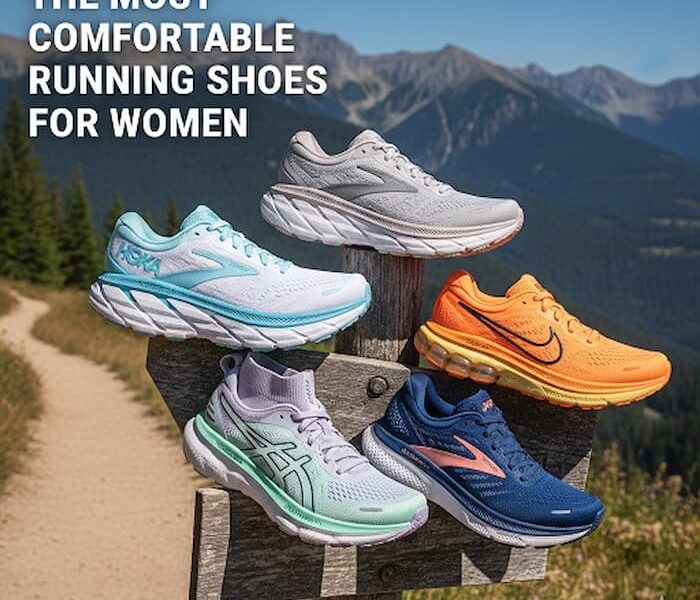
The Most Comfortable Running Shoes for Women: A Complete Running Shoes Guide
December 25, 2025Finding the most comfortable running shoes for women is not just about style or brand names; it’s about protecting your feet, enhancing performance, and making every step of your run enjoyable. Whether you are a beginner starting your fitness journey or an experienced runner logging weekly miles, the right pair of shoes can make a huge difference.
This running shoes guide is designed to help women understand comfort, fit, cushioning, and support so they can confidently choose the best footwear. At RatedTerrain.com, we focus on real comfort, terrain-specific needs, and practical buying advice. This detailed buy guide for running shoes article will walk you through everything you need to know before investing in your next pair of women’s running shoes.
The Importance of Comfortable Running Shoes for Women
Comfort is not a luxury; it’s a necessity. Wearing uncomfortable shoes can lead to blisters, shin splints, knee pain, plantar fasciitis, and even long-term injuries. Women’s feet are anatomically different from men’s, which is why comfortable running shoes for women are specifically designed with unique shapes, widths, and cushioning patterns.
A well-cushioned, supportive shoe helps you focus on your run rather than foot pain.
Here’s why comfort should be your top priority:
- Reduces impact on joints and muscles
- Improves running posture and balance
- Prevents foot fatigue on long runs
- Enhances overall running performance
Understanding Women’s Running Shoes: Key Differences
Foot Shape and Fit: Women typically have narrower heels, higher arches, and lower body weight compared to men. That’s why women’s running shoes are built with a more secure heel fit, softer midsoles, and better arch support.
Cushioning Levels: Comfortable running shoes for women often use lighter foam compounds to absorb shock without feeling too firm. This balance is essential for daily runs and long-distance comfort.
Weight and Flexibility: Women’s running shoes are typically lighter and more flexible, which helps maintain a natural stride while reducing fatigue.
How to Choose Comfortable Running Shoes: A Buyer’s Guide to Running Shoes Section
Choosing the right shoe can feel overwhelming with so many options available. This buy guide running shoes section breaks it down into simple factors.
Cushioning and Midsole Comfort
The midsole is the heart of comfort. Look for responsive foam that absorbs shock while returning energy. Popular materials include EVA foam, gel cushioning, and modern proprietary blends.
Best for comfort: for Long-distance runners, for Beginners, for Runners with joint sensitivity
Arch Support and Pronation
Understanding your foot type is essential in any running shoes guide.
- Neutral feet: Even weight distribution
- Overpronation: Feet roll inward
- Underpronation (supination): Feet roll outward
Comfortable running shoes for women are available in neutral, stability, and motion-control categories to cater to these specific needs.
Breathable Upper Design
A breathable mesh upper keeps feet cool and prevents sweat from building up. This is especially important for women running in warm climates or on long runs.
Proper Sizing and Width
Always leave a thumb’s width of space at the toe. Many brands now offer wide-fit options, making it easier to find truly comfortable running shoes.
Best Types of Comfortable Running Shoes for Women
Daily Training Running Shoes
These are ideal for regular runs, treadmill workouts, and fitness routines. They offer balanced cushioning, durability, and comfort.
Why choose them?
- Versatile use
- Long-lasting comfort
- Great for beginners
Long-Distance Running Shoes
Designed for marathon training and extended runs, these shoes focus heavily on cushioning and support.
Key features:
- Plush midsoles
- Enhanced heel support
- Reduced impact stress
Lightweight and Speed Running Shoes
While lighter shoes are not always the most cushioned, many modern designs still offer excellent comfort.
Best for:
- Short runs
- Tempo workouts
- Experienced runners
Comfortable Running Shoes for Women Based on Terrain
At RatedTerrain.com, we believe terrain matters.
Road Running Shoes: These are built for pavements and sidewalks. They focus on cushioning and smooth transitions.
Trail Running Shoes: Trail shoes offer grip, protection, and stability on uneven surfaces. Comfort here means protection from rocks and roots.
Treadmill Running Shoes: Softer cushioning and flexibility make treadmill-friendly women’s running shoes extra comfortable indoors.
Common Mistakes When Buying Comfortable Running Shoes for Women
Even the most detailed running shoes guide can’t help if common buying mistakes are ignored. Many women struggle with foot pain, discomfort, or poor performance simply because they chose the wrong pair. To help you make a smarter decision, here are the most common mistakes to avoid when following a buy guide for running shoes.
1. Choosing Style Over Comfort
One of the biggest mistakes when buying women’s running shoes is prioritizing looks over comfort. While stylish designs are appealing, running shoes are built for performance and protection. A fashionable shoe with poor cushioning or support can lead to blisters, knee pain, and foot fatigue. Always focus on comfort, fit, breathability, and cushioning first; style should be a bonus, not the priority.
2. Buying Running Shoes That Are Too Tight
Many runners assume shoes should fit snugly, but tight shoes can cause serious problems. Feet naturally swell during runs, especially on long distances or in warm weather. Shoes that are too tight may result in numb toes, black toenails, blisters, or bunions. When buying comfortable running shoes for women, ensure there is enough toe room and a relaxed but secure fit.
3. Ignoring Arch Support and Foot Type
Every foot is different, yet many buyers overlook arch support entirely. Whether you have flat feet, high arches, or neutral arches, the wrong shoe can throw off your running form and increase injury risk. Proper arch support improves stability, comfort, and shock absorption. Any reliable running shoes guide should recommend selecting shoes based on your foot type and gait.
4. Not Considering Running Terrain
Another common mistake is failing to match shoes with the running surface. Road running shoes are designed for pavement and treadmills, while trail running shoes offer better grip and protection for uneven paths. Wearing the wrong type of shoe can reduce traction and increase the risk of slips or ankle injuries. Always choose women’s running shoes that suit your preferred terrain.
5. Skipping the Break-In Process
Even the best comfortable running shoes for women need a short break-in period. Starting with long or intense runs right away can cause soreness and discomfort. Begin with short walks or light runs to allow your feet to adapt. That said, quality running shoes should feel comfortable from the first wear; persistent pain is a sign they’re not the right fit.
Final Buying Tip
The right pair of running shoes should feel supportive, cushioned, and comfortable immediately, not after weeks of discomfort. Avoiding these common mistakes will help you choose better footwear, improve performance, and enjoy injury-free runs.
How Often Should You Replace Running Shoes?
No buy guide for running shoes is complete without discussing when it’s time to replace them. Even the most comfortable running shoes for women don’t last forever. Over time, cushioning breaks down, support weakens, and worn-out shoes can negatively impact both comfort and performance. Knowing when to replace your running shoes is essential for staying injury-free and enjoying every run.
Average Lifespan of Running Shoes
Most running shoes are designed to last between 300 to 500 miles, depending on factors such as your running style, body weight, terrain, and shoe quality. For casual runners, this may mean replacing shoes every 6-12 months. Frequent runners or those training for races may need replacements much sooner.
Signs It’s Time to Replace Your Running Shoes
1. Reduced Cushioning
One of the earliest signs of wear is loss of cushioning. If your runs feel harsher than usual or your shoes no longer absorb impact effectively, the midsole foam has likely broken down. Reduced cushioning increases stress on your joints, especially the knees, hips, and ankles.
2. Uneven or Excessive Sole Wear
Take a look at the outsole of your shoes. If you notice uneven wear patterns, thinning rubber, or smooth, bald spots, it’s a clear indicator that your shoes are no longer providing proper stability or traction. This is especially important for women’s running shoes, as uneven wear can affect balance and running form.
3. New Aches and Pains
Experiencing new foot pain, shin splints, knee discomfort, or lower back pain, even though your routine hasn’t changed, is a major warning sign. Worn-out running shoes often fail to support your natural stride, leading to unnecessary strain and increased injury risk.
4. Loss of Grip and Traction
If your shoes feel slippery on wet roads, trails, or gym floors, the outsole grip has likely worn down. Poor traction not only affects performance but also raises the risk of slips and falls, especially during outdoor runs.
Why Replacing Running Shoes on Time Matters
Continuing to run in worn-out shoes reduces comfort and can lead to overuse injuries such as plantar fasciitis, stress fractures, and tendon issues. Fresh, comfortable running shoes for women provide better shock absorption, improved stability, and enhanced running efficiency, helping you run longer and safer.
Pro Tip for Runners
Keep track of your mileage using a running app or smartwatch, and rotate between two pairs of running shoes if possible. This allows the cushioning to recover between runs and can extend the lifespan of each pair.
Replacing your running shoes at the right time is just as important as choosing the right pair in the first place. Paying attention to wear signs and mileage ensures maximum comfort, better performance, and reduced injury risk, making your running shoes guide truly complete.
Tips to Maximize Comfort in Women’s Running Shoes
To maximize comfort in women’s running shoes, focus on proper socks, correct lacing, shoe rotation, and choosing footwear based on the running surface. These small adjustments can greatly improve fit, reduce pain, and enhance overall running performance.
1. Wear Moisture-Wicking Running Socks
Moisture-wicking running socks improve comfort by keeping feet dry and reducing friction.
They help prevent blisters, hotspots, and odor during both short and long runs. Avoid cotton socks, as they absorb sweat and increase the risk of skin irritation. High-quality running socks also provide light cushioning in high-impact areas for added comfort.
2. Lace Shoes Properly to Avoid Pressure Points
Proper lacing improves fit and prevents foot pain. Adjusting your laces can relieve pressure on the top of the foot, stop heel slippage, and improve overall stability. Techniques like heel-lock lacing help keep the foot secure without tightening the shoe too much, allowing your comfortable running shoes for women to perform as intended.
3. Rotate Between Two Pairs of Running Shoes
Rotating running shoes increases comfort and extends shoe life. Switching between two pairs allows cushioning to fully recover between runs. This reduces impact stress on joints and helps prevent overuse injuries. Many runners notice improved comfort and fewer aches simply by rotating their women’s running shoes.
4. Choose Shoes Based on Your Primary Running Surface
Running surface affects shoe comfort and performance. Road running shoes are best for pavement and treadmills, offering lightweight cushioning. Trail running shoes provide better grip and protection for uneven terrain. Matching your shoes to where you run most often improves traction, stability, and comfort.
Quick Comfort Checklist
- Wear moisture-wicking running socks
- Use proper lacing techniques
- Rotate between two pairs of shoes
- Match shoes to your running surface
Small comfort-focused habits can make a big difference. When paired with the right footwear, these tips help maximize comfort, reduce injury risk, and make every run more enjoyable.
Sustainable and Eco-Friendly Comfortable Running Shoes
Sustainability is becoming an important factor for many runners, and the good news is that you no longer have to sacrifice comfort or performance to make an eco-friendly choice. Many leading brands now offer sustainable women’s running shoes made with recycled materials, plant-based foams, and low-impact manufacturing processes. These environmentally friendly options are designed to reduce waste and carbon footprint while still delivering the cushioning, support, and durability runners expect.
Eco-friendly, comfortable running shoes for women often use recycled mesh uppers, biodegradable components, and responsibly sourced rubber outsoles. Despite their sustainable construction, these shoes still provide excellent breathability, shock absorption, and stability. For runners who care about both performance and the planet, choosing sustainable running shoes is a meaningful step toward more responsible outdoor activity.
Finding the Most Comfortable Running Shoes for Women
Finding the most comfortable running shoes for women doesn’t have to be overwhelming. With the right knowledge and a clear understanding of your needs, you can confidently choose footwear that supports your body and enhances your running experience. Factors such as foot type, arch support, running style, and terrain all play a critical role in determining which shoes will work best for you.
This running shoes guide was created to help you make informed decisions at every stage—whether you’re buying your first pair, replacing worn-out shoes, or upgrading to a more specialized option. Prioritizing comfort, proper fit, and functionality over trends ensures better performance, fewer injuries, and more enjoyable runs.
The right running shoes don’t just protect your feet—they improve your confidence, reduce fatigue, and make running something you genuinely look forward to. When your shoes feel right, every mile becomes easier and more rewarding.
At RatedTerrain.com, our mission is to help runners find gear that performs across every trail and terrain. Use this buy guide for running shoes as your foundation, explore options that match your lifestyle and values, and step into comfort with confidence. Your perfect run starts with the right shoes.
Frequently Asked Questions (FAQs)
What are the most comfortable running shoes for women?
The most comfortable running shoes for women provide proper cushioning, arch support, and a secure fit based on foot type and running style. Comfort also depends on choosing shoes suited to your primary running surface.
How often should women replace running shoes?
Most women should replace running shoes every 300–500 miles or when cushioning feels flat, soles wear unevenly, or new aches appear during runs.
Are eco-friendly running shoes comfortable?
Yes, many eco-friendly women’s running shoes offer excellent comfort. Brands now use recycled and sustainable materials without sacrificing cushioning, support, or durability.
Should running shoes feel comfortable immediately?
Yes, comfortable running shoes for women should feel good from the first wear. A short break-in period is normal, but pain or discomfort is a sign the shoes are not right.
Do I need different running shoes for different terrains?
Yes, road running shoes are best for pavement and treadmills, while trail running shoes provide better grip and protection for uneven terrain. Choosing the right type improves comfort and safety.
[…] equipped with the expert knowledge needed to look beyond the branding and find the specific pair of comfortable walking shoes that suits your unique foot shape and activity level, ensuring that the best walking shoes for […]