
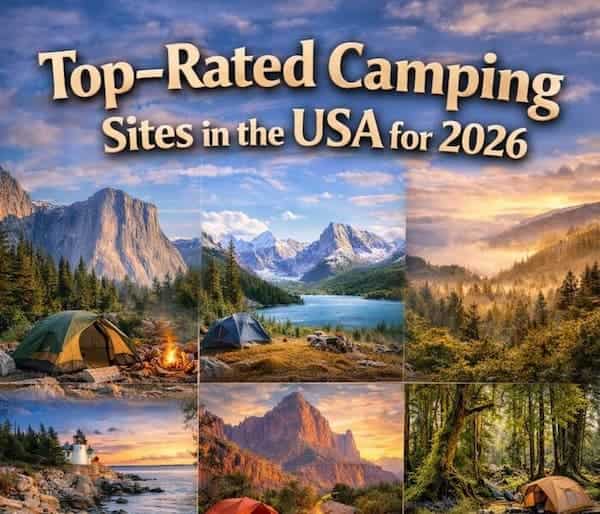
Top-Rated Camping Sites in the USA for 2026
February 4, 2026Camping remains one of the most cherished ways to reconnect with nature, slow down from the fast pace of modern life, and create meaningful, long-lasting memories with family and friends. In 2026, as people increasingly prioritize wellness, outdoor recreation, and sustainable travel, camping in the United States is thriving like never before. From remote backcountry sites surrounded by untouched wilderness to well-equipped, family-friendly lakeside campgrounds with modern amenities, the country offers an incredibly diverse range of camping experiences suited to every travel style and skill level.
Whether you are a seasoned camper seeking solitude, star-filled skies, and challenging terrain, or a first-time camper looking for comfort, safety, and easy access to scenic attractions, there is a perfect destination waiting for you. Advances in campground infrastructure, eco-friendly practices, and reservation systems have also made camping more accessible and enjoyable for travelers of all ages. This comprehensive guide explores the top-rated camping sites across the United States in 2026, carefully selected based on expert insights, verified traveler reviews, natural beauty, and current outdoor travel trends, helping you plan an unforgettable camping adventure that aligns with your expectations and lifestyle.
Why Camping Still Matters in 2026?
Camping isn’t just a passing travel trend; it has evolved into a lifestyle embraced by millions of people who value freedom, simplicity, and a deeper connection with the natural world. In recent years, outdoor recreation has seen a significant surge in popularity as individuals and families actively seek healthier, more meaningful ways to escape daily routines dominated by screens, deadlines, and urban stress. This shift is strongly driven by a growing awareness of wellness, mental health, and the desire for experiences that promote balance and mindfulness.
Research consistently highlights the powerful benefits of spending time in nature. Activities like camping, hiking, and stargazing have been shown to lower stress levels, reduce anxiety, improve sleep quality, and enhance overall mood. Fresh air, physical movement, and exposure to natural landscapes also contribute to better cardiovascular health and increased energy levels. As people become more environmentally conscious, camping aligns naturally with sustainable travel values, encouraging minimal impact, respect for ecosystems, and responsible tourism.
In 2026, access to both national parks and privately operated campgrounds continues to expand, with improved facilities, modern amenities, and a wider range of accommodation options from traditional tent sites to RV hookups and eco-friendly glamping setups. Enhanced reservation systems, upgraded infrastructure, and inclusive campground designs have made outdoor adventures more accessible than ever before. Together, these factors make 2026 an ideal time for campers of all experience levels to explore the outdoors and create unforgettable camping experiences across the United States.
Top-rated Camping Sites in the USA
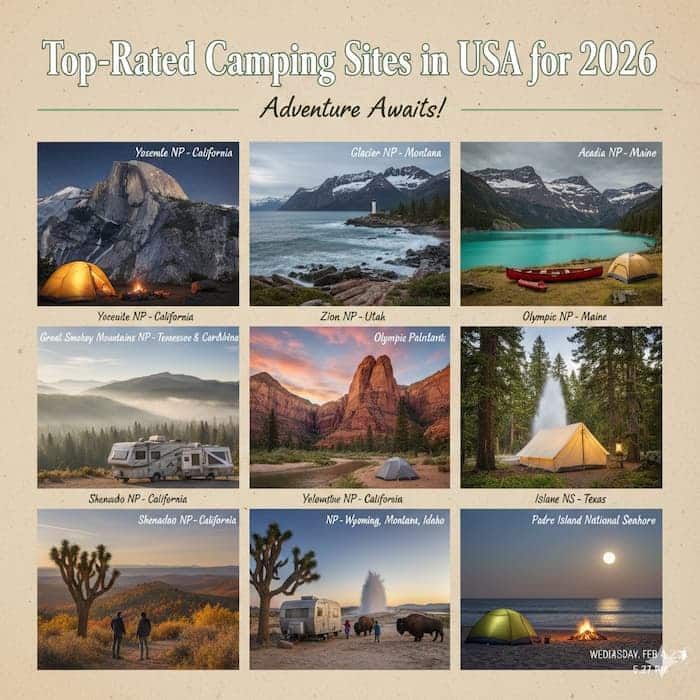
1. Yosemite National Park – California
Why it’s Still One of the Best Camping Spots in the US
Yosemite National Park remains a perennial favorite among campers and outdoor enthusiasts for good reason. Nestled in California’s Sierra Nevada Mountains, Yosemite is celebrated for its awe-inspiring natural beauty and remarkable geological features that few places on Earth can rival. The park is home to towering granite monoliths such as El Capitan and Half Dome, which rise dramatically above Yosemite Valley and attract climbers, photographers, and nature lovers from across the globe. Its iconic waterfalls, including Yosemite Falls, Bridalveil Fall, and Vernal Fall, are especially spectacular in the spring and early summer when snowmelt sends torrents of water cascading down sheer cliffs.
Beyond its famous landmarks, Yosemite boasts an incredibly diverse range of ecosystems, from oak woodlands and lush meadows to alpine tundra and ancient groves of giant sequoias, some of the largest and oldest trees in the world. This ecological diversity supports a wide array of wildlife, including black bears, mule deer, and countless bird species, making camping here a truly immersive natural experience.
Yosemite’s campgrounds are thoughtfully positioned to offer easy access to hiking trails, scenic viewpoints, and outdoor activities such as rock climbing, backpacking, fishing, and stargazing. Due to its global popularity and limited campsite availability, reservations are highly competitive and often fill up within minutes of opening. However, campers consistently agree that the effort is well worth it, as spending a night under the stars in Yosemite provides an unforgettable connection to one of America’s most iconic national parks.
Top Campgrounds in Yosemite
- Upper Pines Campground: Open year-round, this is one of the most popular sites in Yosemite Valley. Shaded by pines and close to hiking trails and waterfalls.
- Tuolumne Meadows Campground: A high-elevation gem (8,600 ft), perfect for summer camping with cooler temps and alpine scenery.
- Wawona Campground: Ideal for families with easy access to Mariposa Grove’s giant sequoias.
Expert Tip: Book as early as possible; Yosemite camping reservations often fill within minutes when they open months in advance. Consider mid-week visits to avoid crowds.
2. Glacier National Park – Montana
A Campers’ Paradise in the Crown of the Continent
Glacier National Park’s dramatic landscapes, soaring mountain peaks, crystal-clear glacial lakes, and vast stretches of pristine forest make camping here an unforgettable and deeply rewarding experience. Often referred to as the “Crown of the Continent,” this spectacular park in northern Montana is renowned for its untouched wilderness and breathtaking alpine scenery. Snow-capped summits, rugged ridgelines, and turquoise lakes such as Lake McDonald, St. Mary Lake, and Swiftcurrent Lake create postcard-worthy views at nearly every turn, making Glacier one of the most visually stunning camping destinations in the United States.
Camping in Glacier National Park offers a rare opportunity to experience true backcountry solitude alongside well-maintained, scenic campgrounds that cater to a range of camping styles. Whether you choose a front-country campsite with convenient access to roads and amenities or venture deeper into the backcountry for a more rugged adventure, the park provides an immersive connection to nature. Glacier is also celebrated for its exceptional wildlife viewing, as it is home to grizzly bears, black bears, mountain goats, bighorn sheep, moose, and over 260 bird species.
The park’s extensive network of hiking trails, including sections of the famous Going-to-the-Sun Road, allows campers to explore remote valleys, alpine meadows, and glacial terrain while experiencing minimal human disturbance. With dark skies ideal for stargazing and cool mountain air even in summer, Glacier National Park delivers a camping experience that feels both wild and timeless, making it a top choice for adventurers seeking serenity, scenery, and authentic wilderness in 2026.
Top Campgrounds in Glacier
- Many Glacier Campground: Near Swiftcurrent Lake, a perfect basecamp for hiking and boating.
- Apgar Campground: Close to West Glacier entrance and Lake McDonald, offering ranger programs and easy access trails.
- Two Medicine Campground: Less crowded and surrounded by jaw-dropping alpine views.
Fun Fact: Glacier has more than 700 miles of hiking trails, one of the most extensive networks in the U.S. national park system.
3. Great Smoky Mountains National Park – Tennessee & North Carolina
America’s Most Visited National Park Still Shines
The Great Smoky Mountains National Park consistently tops the list as the most visited national park in the United States, and for good reason. Straddling the border between Tennessee and North Carolina, the park offers an extraordinary blend of natural beauty, rich biodiversity, and cultural history that appeals to campers of all ages and experience levels. Its iconic mist-covered mountain ridges, from which the park gets its name, create a serene and almost mystical atmosphere that changes with the seasons, making every visit feel unique.
The park is home to one of the most diverse ecosystems in North America, with over 19,000 documented plant and animal species and thousands more yet to be fully studied. Campers can encounter white-tailed deer, black bears, wild turkeys, and a wide variety of bird species while exploring dense hardwood forests, cascading streams, and lush valleys. Beyond its natural attractions, the Great Smoky Mountains also preserve a rich cultural heritage, featuring historic cabins, churches, and gristmills that offer a glimpse into early Appalachian life.
With a wide range of well-maintained campgrounds, both front-country and backcountry options, the park caters equally to seasoned backpackers seeking remote wilderness trails and families looking for affordable, accessible camping experiences. Many campgrounds are easily reachable by paved roads and are located near scenic drives, short hiking trails, and picnic areas, making them ideal for beginners. Open year-round and offering free park entry, the Great Smoky Mountains National Park remains one of the most welcoming and rewarding camping destinations in the U.S. for 2026.
Top Campgrounds in the Smokies
- Cades Cove Campground: Rich wildlife and historic cabins make this a unique choice.
- Elkmont Campground: Surrounded by old Appalachian homesteads and lush forests.
- Cataloochee Campground: Ideal for elk sightings in the spring and fall.
4. Acadia National Park – Maine
Coastal Camping with Rugged Charm
Acadia National Park, located along Maine’s rugged Atlantic coastline, offers a truly unique camping experience defined by its rare and striking blend of natural landscapes. Within a relatively compact area, campers can explore dense evergreen forests, dramatic rocky shorelines shaped by crashing ocean waves, tranquil freshwater lakes, and soaring granite peaks such as Cadillac Mountain, the highest point on the U.S. East Coast. This remarkable diversity makes Acadia one of the most visually captivating national parks in the country.
The park’s camping season typically runs from late spring through fall, when mild temperatures and longer daylight hours provide ideal conditions for outdoor activities. During this period, Acadia becomes a haven for photographers drawn to its golden sunrises, rugged coastal cliffs, and reflective lakes, as well as hikers eager to explore its extensive network of scenic trails ranging from leisurely walks to challenging climbs. The park is also renowned for its exceptionally dark skies, making it a favorite destination for stargazers and night-sky photographers seeking clear views of the Milky Way over the Atlantic Ocean.
In addition to its natural beauty, Acadia’s campgrounds are thoughtfully designed to blend into the surrounding environment while offering convenient access to key attractions, carriage roads, and coastal viewpoints. The combination of ocean air, forested campsites, and peaceful surroundings creates a refreshing and immersive outdoor experience, making Acadia National Park a top-rated camping destination for travelers seeking both adventure and tranquility in 2026.
Top Campgrounds in Acadia
- Blackwoods Campground: Classic forest setting near Ocean Drive.
- Seawall Campground: More remote, less crowded, perfect for peace seekers.
- Schoodic Woods Campground: A newer campground with modern amenities and scenic views of Frenchman Bay.
Expert Opinion: If you love coastal sunrises and dramatic rock formations, Acadia is a bucket-list camping spot. Early reservations are crucial due to high demand in peak summer months.
5. Zion National Park – Utah
Red Rock Spectacle & Adventure Basecamp
Zion National Park’s towering sandstone cliffs, deep red-rock canyons, and narrow slot passages create an almost otherworldly landscape that leaves a lasting impression on every visitor. Located in southwestern Utah, Zion is defined by dramatic vertical walls carved over millions of years by the Virgin River, resulting in breathtaking scenery that feels both powerful and serene. For campers, this unique desert environment offers a front-row seat to some of the most striking geological formations in the American Southwest.
Zion is an ideal destination for outdoor enthusiasts who thrive on adventure. Its extensive trail system caters to hikers of all skill levels, from leisurely riverside walks to adrenaline-pumping ascents. Iconic hikes such as Angels Landing, known for its exposed ridges and panoramic views, and The Narrows, where hikers wade through a river between towering canyon walls, are among the most sought-after experiences in U.S. national parks. Campers staying within or near the park benefit from early trail access, cooler morning temperatures, and fewer crowds.
Zion’s campgrounds are strategically located to maximize convenience and immersion, often within walking distance of shuttle stops, trailheads, and scenic viewpoints. As night falls, the park transforms into a stargazer’s paradise, with minimal light pollution revealing brilliant desert night skies filled with stars. The combination of daytime adventure, dramatic scenery, and peaceful evenings makes camping in Zion National Park a truly unforgettable experience and a top choice for campers in 2026.
Top Campgrounds in Zion
- Watchman Campground: Close to Springdale with shuttle access into Zion Canyon.
- South Campground: Spacious sites near the Virgin River.
- Lava Point Campground: Remote, high-elevation option for solitude seekers.
Facts & Figures: Zion attracts over 4 million visitors annually, making camping reservations a competitive challenge in peak windows.
6. Olympic National Park – Washington
A World of Ecosystems in One Park
Olympic National Park offers an extraordinary diversity of natural environments rarely found within a single destination, making it one of the most unique camping experiences in the United States. Located in Washington State, the park encompasses everything from snow-capped alpine peaks and glacial valleys to lush temperate rainforests and a rugged, untamed Pacific coastline. This remarkable range of ecosystems allows campers to experience dramatically different landscapes within just a few hours’ drive, creating endless opportunities for exploration and adventure.
The park’s famed temperate rainforests, such as the Hoh and Quinault Rain Forests, are filled with towering moss-draped trees, fern-covered floors, and misty atmospheres that feel almost prehistoric. Higher elevations reveal alpine meadows, mountain ridges, and glacial terrain ideal for hikers seeking cooler temperatures and panoramic views. Along the coastline, campers can explore wild beaches dotted with sea stacks, tide pools, and driftwood, where crashing waves and salty air define the experience.
This incredible variety gives campers unmatched flexibility in choosing how they connect with nature. Visitors can opt for peaceful forest-edged tent sites, family-friendly campgrounds near rivers and lakes, or adventurous backcountry beach camping that requires permits and careful planning. Whether you’re looking for quiet solitude beneath towering trees or the thrill of falling asleep to ocean waves under an open sky, Olympic National Park delivers a camping experience that feels immersive, diverse, and unforgettable in 2026.
Top Campgrounds in Olympic
- Kalaloch Campground: Oceanfront camping with cliffside views.
- Hoh Rain Forest Campground: Immerse yourself in one of the largest temperate rainforests in the U.S.
- Sol Duc Campground: Near hot springs and old-growth forests.
Pro Tip: Pack layers, Olympic’s coastal fog and mountainous terrain can lead to unexpected weather shifts.
7. Joshua Tree National Park – California
Desert Camping Under a Blanket of Stars
Joshua Tree National Park is a dream destination for desert lovers, rock climbers, and astrophotographers seeking a truly distinctive camping experience. Located in Southern California, where the Mojave and Colorado deserts meet, the park is defined by its stark, otherworldly beauty. The iconic, twisted Joshua trees scattered across wide-open plains stand in striking contrast to massive granite boulder formations, creating a surreal landscape that feels both ancient and alien.
For campers, Joshua Tree offers a raw and immersive desert experience unlike any other in the United States. Rock climbers from around the world are drawn to the park’s world-class climbing routes, with thousands of established climbs suitable for beginners and experts alike. Hikers can explore quiet desert trails that wind through cactus gardens, narrow canyons, and elevated viewpoints offering sweeping vistas of the surrounding terrain. During the day, the desert light transforms the landscape with dramatic shadows and warm tones, making it a favorite location for photographers.
As night falls, Joshua Tree becomes one of the premier stargazing destinations in the country. With minimal light pollution and vast open skies, campers are treated to breathtaking views of the Milky Way, meteor showers, and distant planets. The park’s campgrounds place visitors right in the heart of this dramatic environment, allowing them to fall asleep under a blanket of stars surrounded by silence and natural beauty. This combination of adventure, solitude, and visual wonder makes Joshua Tree a top-rated camping destination for 2026.
Top Campgrounds in Joshua Tree
- Hidden Valley Campground: Popular basecamp for climbers.
- Jumbo Rocks Campground: Iconic rock formations and excellent starry skies.
- Indian Cove Campground: Quiet, scenic, and surrounded by monzogranite boulders.
Star Gazing Fact: Joshua Tree’s low light pollution makes it one of the best places in the U.S. for astronomy and night photography.
8. Shenandoah National Park – Virginia
Blue Ridge Magic Close to Urban Centers
Located just a few hours’ drive from major East Coast cities such as Washington D.C., Richmond, and Charlottesville, Shenandoah National Park provides a convenient yet immersive escape into nature. The park stretches along the spine of the Blue Ridge Mountains in Virginia, offering breathtaking vistas, cascading waterfalls, serene forests, and rolling mountain ridges that change color dramatically with the seasons. This proximity to urban centers makes Shenandoah an ideal destination for both spontaneous weekend getaways and extended camping adventures.
The park’s campgrounds cater to a wide range of campers, from families seeking easy-access tent sites to experienced outdoor enthusiasts pursuing longer backpacking trips along the famous Appalachian Trail, which winds more than 100 miles through the park. Popular waterfalls such as Dark Hollow Falls and Whiteoak Canyon provide scenic highlights, while the dense hardwood forests and open meadows offer abundant wildlife sightings, including deer, black bears, and countless bird species.
Shenandoah’s combination of convenience, natural beauty, and well-maintained facilities makes it a versatile camping destination. Visitors can enjoy short day hikes, leisurely picnics, or immersive overnight stays in a tranquil, forested setting. For those seeking solitude, remote backcountry campsites allow for a more private experience, while easily accessible front-country campgrounds ensure comfort and amenities for families or casual campers. This mix of accessibility and natural splendor positions Shenandoah National Park as one of the most appealing camping spots on the East Coast in 2026.
Top Campgrounds in Shenandoah
- Big Meadows Campground: Central location with abundant wildlife.
- Loft Mountain Campground: Remote sites amidst dense woods.
- Mathews Arm Campground: Good family-friendly option with creekside spots.
SEO Tip: Use keywords like “East Coast camping,” “best Virginia campsites,” and “Shenandoah camping guide” to reach regional audiences.
9. Yellowstone National Park – Wyoming, Montana, Idaho
Where Wilderness Comes Alive
Yellowstone National Park, celebrated as the first national park in the world, continues to stand as one of the most iconic and sought-after camping destinations in the United States. Spanning over 3,400 square miles across Wyoming, Montana, and Idaho, Yellowstone is a land of extraordinary geological features, abundant wildlife, and diverse ecosystems, offering campers an unmatched combination of adventure, education, and natural beauty. The park’s unique geothermal activity, including geyser basins, bubbling hot springs, mud pots, and fumaroles, creates landscapes unlike anywhere else on Earth, providing endless opportunities for exploration and photography.
Campers in Yellowstone can witness the famous Old Faithful Geyser, explore the colorful terraces of Mammoth Hot Springs, or hike through pristine forests and meadows that host a variety of wildlife. Bison, elk, wolves, grizzly bears, and eagles roam freely across the park, giving visitors the thrill of observing animals in their natural habitat. Whether you’re pitching a tent in one of the park’s well-maintained campgrounds, enjoying an RV hookup, or venturing into the backcountry for a more rugged experience, Yellowstone offers something for every type of camper.
Beyond its natural wonders, Yellowstone is rich in history, from Native American heritage to early park conservation efforts, which adds depth to the camping experience. Campgrounds are strategically located near major attractions, hiking trails, and scenic viewpoints, allowing visitors to maximize their time in the park. For families, adventurers, and nature enthusiasts alike, camping in Yellowstone delivers a sense of wonder, excitement, and connection to one of America’s most treasured landscapes, making it a top choice for 2026.
Top Yellowstone Campgrounds
- Madison Campground: Centrally located with access to prime attractions.
- Grant Village Campground: Near Yellowstone Lake with excellent sunset views.
- Canyon Campground: Near the Grand Canyon of the Yellowstone.
Wildlife Fact: Yellowstone hosts the largest concentration of megafauna in the lower 48 states, including grizzly bears, wolves, and elk.
10. Padre Island National Seashore – Texas
Beach Camping on a Barrier Island
For campers who crave sun, sand, and the soothing sounds of the ocean, Padre Island National Seashore in Texas offers an unparalleled coastal camping experience. Stretching over 70 miles of largely undeveloped shoreline along the Gulf of Mexico, this barrier island is the longest stretch of undeveloped barrier island in the world, providing a rare opportunity to experience pristine beaches away from the hustle of crowded tourist spots. Its natural beauty and tranquility make it a perfect destination for families, solo travelers, and outdoor enthusiasts alike.
Campers can enjoy a wide range of recreational activities, from leisurely beachcombing along the soft, sandy shores to birdwatching for migratory species such as pelicans, terns, and sandpipers. The island is also a hotspot for fishing, offering both surf fishing along the Gulf and freshwater fishing in the lagoons and tidal flats. During certain seasons, visitors may witness the remarkable sea turtle nesting process, where endangered Kemp’s ridley and loggerhead turtles come ashore to lay their eggs, a once-in-a-lifetime natural spectacle.
The camping experience on Padre Island is uniquely immersive. Many sites allow campers to set up directly on the beach, letting you fall asleep to the sound of waves and wake up to stunning sunrises over the Gulf. With minimal light pollution, the island also provides excellent conditions for stargazing, allowing visitors to enjoy the night sky in all its glory. Whether your goal is adventure, relaxation, or simply connecting with nature, Padre Island National Seashore offers a peaceful and unforgettable coastal camping experience in 2026.
Camping Highlights
- Beachfront Tent Camping: Set up your site right on the sand.
- Sea Turtle Nesting Season: Watch protected loggerheads and Kemp’s ridley turtles (seasonal).
- Starry Nights: Wide open skies make for incredible night views.
Safety Tip: Beach camping requires attention to tide schedules and weather conditions, especially during hurricane season.
Camping Trends to Watch in 2026
1. Rise of “Glamping” and Comfort Camping
While traditional tent camping continues to attract purists, 2026 is seeing a strong rise in glamping (glamorous camping) and comfort-focused outdoor stays. Travelers increasingly want the beauty of nature without sacrificing comfort, leading to a growing number of campgrounds offering luxury tents, cabins, yurts, and eco-lodges. These accommodations often include real beds, climate control or heating, private bathrooms, electricity, and furnished outdoor spaces with glider chairs and fire pits. Glamping is especially popular among first-time campers, couples, and older travelers who want a stress-free outdoor experience. This trend is also helping expand camping’s appeal to people who may not otherwise consider sleeping in a tent, making outdoor travel more inclusive and mainstream.
2. Sustainable & Leave No Trace Practices
Sustainability is no longer optional; it’s becoming a core part of the camping experience. In 2026, campers are more environmentally conscious than ever, actively choosing eco-friendly gear such as solar-powered lanterns, rechargeable batteries, low-impact tents, and biodegradable toiletries. The Leave No Trace philosophy continues to guide responsible outdoor behavior, encouraging campers to minimize their footprint and protect natural ecosystems. Many national parks and private campgrounds are now implementing green initiatives, including recycling stations, composting programs, water-saving facilities, and renewable energy hookups for RVs. These efforts not only preserve natural landscapes but also educate campers on sustainable travel practices that can be carried into everyday life.
3. Digital Nomad Camping
The rise of remote work has reshaped how people travel, and camping is no exception. In 2026, more travelers are embracing digital nomad camping, combining work and outdoor living for extended stays. Campgrounds with reliable cell service, Wi-Fi access, and designated workspaces are becoming increasingly popular. Some locations now offer coworking-style lodges, charging stations, and quiet zones to support productivity. This trend allows campers to work during the day and explore nature in the evenings, creating a healthier work-life balance. Long-term camping stays are also growing in demand as remote workers seek affordable, scenic alternatives to traditional housing.
4. Family-Focused Camping Destinations
Families continue to play a major role in the growth of camping, and campgrounds are responding with more family-oriented features and programs. In 2026, destinations that offer ranger-led activities, nature education programs, playgrounds, and kid-friendly hiking trails are especially popular. Parents are drawn to campgrounds with safe, shaded areas, clean facilities, and easy access to lakes, streams, and wildlife viewing. Camping provides families with a screen-free way to bond, teach children outdoor skills, and foster a love for nature. These family-focused environments make camping accessible and enjoyable for all age groups, from toddlers to teens.
5. Accessibility and Inclusive Camping
Accessibility is becoming a defining trend in outdoor recreation, as more parks and campgrounds invest in inclusive design. In 2026, increased attention is being given to wheelchair-accessible campsites, paved or boardwalk trails, adaptive restrooms, and accessible picnic areas. National and state parks are expanding programs and facilities to ensure that people with disabilities can fully experience the outdoors. This shift reflects a broader commitment to making nature accessible to everyone, regardless of physical ability. Inclusive camping not only improves equity but also enriches the outdoor community by welcoming a wider range of travelers and experiences.
Tips for Choosing Your Perfect Campsite
Know your camping style.
Before choosing a campsite, it’s important to understand what kind of experience you want. Some campers crave solitude and prefer remote, backcountry sites far from crowds and amenities. Others may prioritize family-friendly campgrounds with restrooms, picnic areas, and nearby activities for children. If comfort is key, luxury camping or glamping sites with cabins, electricity, and private bathrooms may be the best fit. Identifying your style early helps narrow options and ensures a more enjoyable trip.
Check availability early
Many of the top-rated campgrounds in the U.S., especially those in national parks, fill up months in advance. Reservation systems often open on fixed dates, and popular sites can be booked within minutes. Planning not only secures your preferred campsite but also gives you flexibility to choose ideal dates, locations, and amenities. For peak seasons like summer and fall, early booking is essential to avoid disappointment.
Plan seasonally
Weather plays a major role in the camping experience. Some destinations are best enjoyed during specific seasons due to temperature, snowfall, rainfall, or wildlife activity. High-elevation parks may have limited access in early spring, while desert locations can become dangerously hot in summer. Researching seasonal conditions helps you choose a campsite that’s both safe and comfortable while maximizing scenic beauty and outdoor activities.
Pack for changing weather conditions.
Even if the forecast looks perfect, the weather can change quickly, especially in mountains, forests, or coastal regions. Summer days may be warm, but nights can turn surprisingly cold at higher elevations. Packing layered clothing, rain protection, and proper sleeping gear ensures comfort in unpredictable conditions. Being prepared allows you to enjoy your trip without discomfort or safety concerns.
Respect nature and camp responsibly.
Choosing the perfect campsite also means being a responsible camper. Always follow Leave No Trace principles by properly disposing of waste, respecting wildlife, and minimizing your impact on the environment. Staying on designated trails, using established campsites, and following local regulations help preserve natural areas for future campers. Responsible camping not only protects nature but also enhances the experience for everyone.
Final Words
From iconic national parks such as Yosemite and Yellowstone to breathtaking coastal destinations like Acadia National Park and Padre Island National Seashore, the United States continues to stand out as one of the world’s most diverse and rewarding camping destinations. Few countries offer such an extraordinary range of landscapes within their borders. Campers can wake up beneath towering granite cliffs, fall asleep to the sound of crashing ocean waves, hike through mist-filled rainforests, or stargaze under vast desert skies, all within the same country. This unmatched variety allows travelers to design camping experiences that align perfectly with their personal sense of adventure, comfort level, and travel goals.
Whether you are drawn to dramatic alpine vistas and snow-capped peaks, the raw beauty of desert landscapes, the serenity of lush forests, or the calming rhythm of oceanside camping, there is truly a perfect campsite waiting for you in 2026. Advances in campground infrastructure, improved accessibility, and a growing focus on sustainable outdoor recreation have made it easier than ever to explore these natural wonders responsibly. Campers today can choose from traditional tent sites, RV-friendly campgrounds, remote backcountry locations, or modern glamping accommodations, ensuring that everyone from first-time campers to seasoned adventurers can find an experience that suits their needs.
Outdoor adventures offer more than just scenic views; they enrich both the body and the soul. Time spent in nature encourages physical activity, mental clarity, and a deeper appreciation for the environment. Camping fosters mindfulness, strengthens relationships, and provides a welcome break from technology-driven routines. With thoughtful planning, respect for nature, and a genuine curiosity to explore, your camping journey in 2026 has the potential to be more than just a trip; it can become a transformative experience filled with discovery, renewal, and unforgettable memories that last a lifetime.
[…] into one of the fastest-growing outdoor travel trends in the United States. In 2026, pet-friendly campsites in the USA are better, more accessible, and more thoughtfully designed than ever before. Campgrounds across […]